
How to Choose ECM Software for Financial Institutions: A Buyer's Guide

Table of Contents
Choosing ECM software can look straightforward at the start. A vendor demo shows clean screens, quick search, and promises of efficiency. The harder part comes later: daily use inside lending, servicing, compliance, branch operations, and audit response. That is where the right choice pays off, and where the wrong one becomes expensive.
Enterprise Content Management software (ECM software), often delivered as an enterprise content management (ECM) platform, is used to control documents, records, workflows, and business content from creation through archive or disposal. It includes many features that basic document storage systems do not have.
ECM software often includes workflow routing, retention controls, permissions, search, capture tools, and integration with other systems.
For financial institutions, selection usually depends on a few practical issues:
- Can staff find records quickly?
- Can processes move faster?
- Can compliance teams rely on the audit history?
- Will it work with existing systems?
- What will it cost over time?
This guide follows those buying questions.
What Is ECM Software and Why Do Financial Institutions Need It?
Financial institutions handle constant document flow. New account files, loan packages, signed disclosures, servicing requests, fraud case notes, statements, and internal approvals move through the business every day.

In many organizations, these records still sit in several places at once. Some are stored in shared folders, some in email chains, some in old imaging systems, and some in paper archives. Staff then spend time searching, confirming versions, and asking colleagues where something was saved.
That lost time adds up. If an operations team spends only five extra minutes locating information for each case, the annual cost can be significant when repeated across thousands of requests.
ECM software gives the institution one controlled environment for content. It can centralize records, make them searchable, trigger workflows, and apply governance rules consistently.
Many buyers now review Person-Centric ECM, an architecture that organizes content around customer/member relationships rather than document types. Instead of opening separate folders for loans, statements, and identification, staff can review one relationship view with linked records.
That model can improve service speed and reduce internal handoffs. Platforms such as Korto are designed around this structure.
Key Features to Evaluate in Financial ECM Software
Feature lists often look similar. The real difference is how well the platform performs under daily operational pressure.
Workflow Automation
Manual routing is a common source of delay. Files wait in inboxes, approvals stall, and ownership becomes unclear.
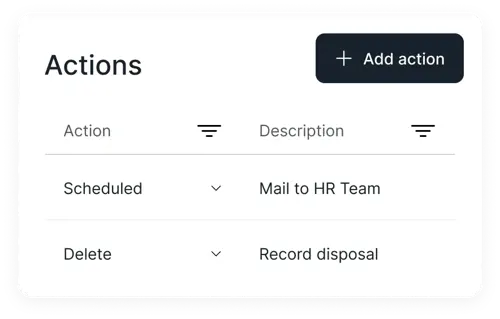
ECM workflow automation streamlines loan processing by routing documents through approval chains, reducing cycle times and manual errors. ECM workflow routing is often part of a broader financial process automation strategy.
Typical use cases include:
- Consumer lending approvals
- Mortgage document conditions
- New account onboarding
- Fraud investigations
- Exception approvals
- Branch service queues
Institutions that replace email approvals with workflow rules often shorten turnaround times.
Document Capture and OCR
Paper and image files remain common in finance.
OCR (Optical Character Recognition) is technology that converts scanned documents into searchable text. Rather than reviewing every scanned image separately, staff can search documents for names, addresses, dates, and reference numbers in seconds.
Records Management
Not every record should be kept forever. A retention policy is automated rules governing how long documents are kept and when they are disposed.
Clear retention schedules help control storage growth and support legal obligations. Retention schedules should follow proven data retention best practices to reduce storage risk and improve governance.
Audit Trails
An audit trail is a chronological record of document interactions for compliance verification. Financial institutions require comprehensive audit trails to demonstrate compliance during regulatory examinations.
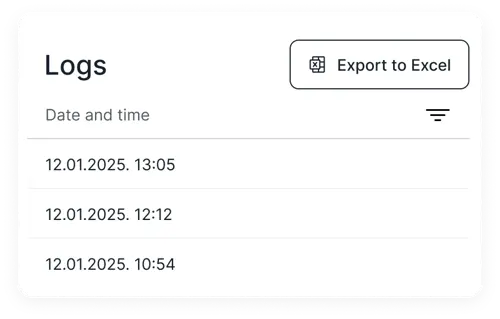
Useful logs normally show:
- Who opened a file
- What changed
- Approval actions
- Export activity
- Deletion attempts
- Date and time history
Regulatory Compliance and ECM: Meeting BSA, GLBA, and AML Requirements
Regulatory work often becomes a document retrieval exercise. When evidence is spread across multiple systems, reviews take longer and staff hours increase.
Proper ECM software makes compliance easier by handling BSA, GLBA, and AML requirements with built-in tracking and retention tools. Many institutions use automation to cut manual reviews and delays.
Main Requirements
- BSA (Bank Secrecy Act): Requires recordkeeping and reporting tied to suspicious activity and certain transactions.
- GLBA (Gramm-Leach-Bliley Act): Requires safeguards for customer financial information.
- AML (Anti-Money Laundering): Controls intended to detect and prevent illicit financial activity.
- KYC (Know Your Customer): Includes identity verification when customers join and during regular monitoring. Good ECM software supports KYC and AML document management with better file organization.
A common example is examiner file sampling. If a regulator asks for twenty customer files, a centralized ECM platform can reduce retrieval time from hours to minutes compared with manual searches across disconnected repositories.
Data Security and Access Controls for Financial Content
Security review should focus on controls that work in practice.
Financial grade ECM software protects sensitive customer data through encryption, role-based access controls, and multi-factor authentication.
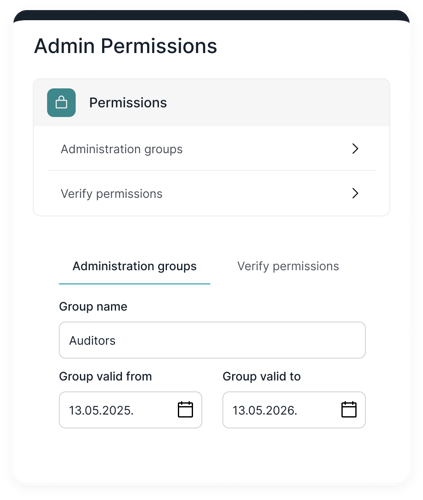
Key controls to evaluate include:
- Encryption – Protects files both while stored and during transmission.
- Role-based access – Limits permissions by branch, department, geography, product line, or job role.
- Multi-factor authentication – Adds an extra verification step beyond passwords.
- Monitoring – Helps detect unusual downloads, repeated failed login attempts, or misuse of privileges.
- Secure sharing – Enables controlled document exchange with auditors, legal teams, third-party processors, or customers.
For institutions with privacy and compliance obligations, these controls are often essential decision-making factors when selecting a system.
Deployment Options: Cloud vs. On-Premise vs. Hybrid ECM
Deployment choices often reflect policy, budget model, and technical resources.
Cloud ECM is often selected for faster implementation and lower infrastructure burden.
Common reasons:
- Less server management
- Faster updates
- Easier remote access
- Subscription budgeting
On-Premise ECM is still i use where internal hosting control remains important.
Common reasons:
- Direct server ownership
- Internal change management control
- Existing data center investment
Hybrid ECM combines cloud services with on-premise systems.
This is common during phased modernization programs.
Integration with Core Banking Systems and Existing Infrastructure
If staff must leave core systems to search for records, adoption usually drops.
A purpose-built financial ECM solution integrates directly with core banking platforms like FIS, Jack Henry, and Fiserv to eliminate data silos.
Important connection points often include:
- Core banking platforms
- Loan origination systems
- CRM software
- Identity systems and SSO
- Reporting tools
- APIs for custom workflows
Evaluating Total Cost of Ownership and ROI
Price alone rarely gives a full picture.
TCO (Total Cost of Ownership) means the full lifetime cost including licensing, implementation, training, maintenance, and support.
Two systems with similar annual fees may have very different five-year cost once migration, support, and administration are included.
Direct costs include:
- Licensing or subscriptions
- Implementation services
- Migration work
- Integrations
- User training
Indirect costs may include:
- Internal project hours
- Productivity loss during rollout
- Ongoing administration
- Future enhancement work
Common ROI indicators include::
- Time saved
- Lower paper and storage costs
- Reduced rework
- Faster approvals
- Better staff capacity
- Shorter customer wait times
Even small time savings can become meaningful when repeated across thousands of cases.
Implementation Best Practices for Financial Institutions
Projects often succeed or fail during the rollout stage rather than during vendor selection, so proper planning is essential.
To improve implementation success, focus on these key areas:
- Review existing processes before setup. Identify delays, duplicate steps, and inefficiencies before configuring workflows.
- Start with high-impact use cases. Loan files, onboarding, exception queues, and records retrieval often deliver quick value.
- Train users based on their roles. Branch staff, lenders, compliance teams, and operations teams usually need different training scenarios.
- Define governance early. Permissions, naming rules, retention schedules, and ownership should be agreed before launch.
- Measure adoption after rollout. Track usage levels, turnaround times, backlog volumes, and unresolved cases.
- Choose a vendor with relevant experience. Financial institutions often benefit from providers familiar with regulated environments.
ECM Vendor Comparison Checklist for Financial Buyers
Use these questions during final review:
- Does the platform support compliance needs?
- Are audit trails detailed and exportable?
- Can workflows be changed without costly coding?
- Is OCR included in price?
- Are permissions granular enough for branches and departments?
- Does it integrate with existing systems?
- Are cloud, on-premise, and hybrid models available?
- Is long-term pricing clear?
- What support follows implementation?
- Does the vendor understand financial institutions?
Where person-centric content visibility is important, KORTO is one option worth reviewing.
Final Thoughts
Choosing ECM software for financial institutions is usually a decision about process control, efficiency, and risk reduction.
The stronger option is often the one that helps staff retrieve records faster, move work with less friction, support examinations, protect customer data, and connect with existing systems. Buyers who compare long-term cost, implementation effort, and operational fit often make better decisions than those focused only on starting price.
5-Second Summary
ECM software directly impacts how efficiently financial institutions manage documents, processes, and compliance. The right system reduces delays, improves audit readiness, and lowers long-term costs. Without it, inefficiencies and risks can grow quickly. Choosing carefully ensures better performance across operations, compliance, and customer service.